
Processing Trauma

![Apple Podcasts md:mr-[10%]](/apple.png)


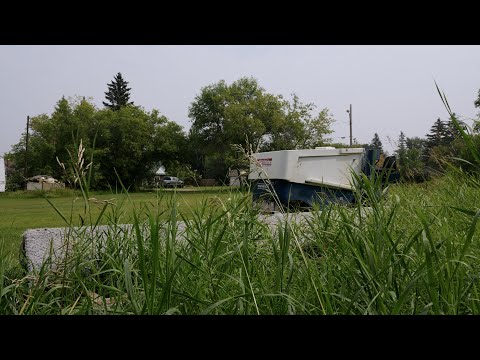
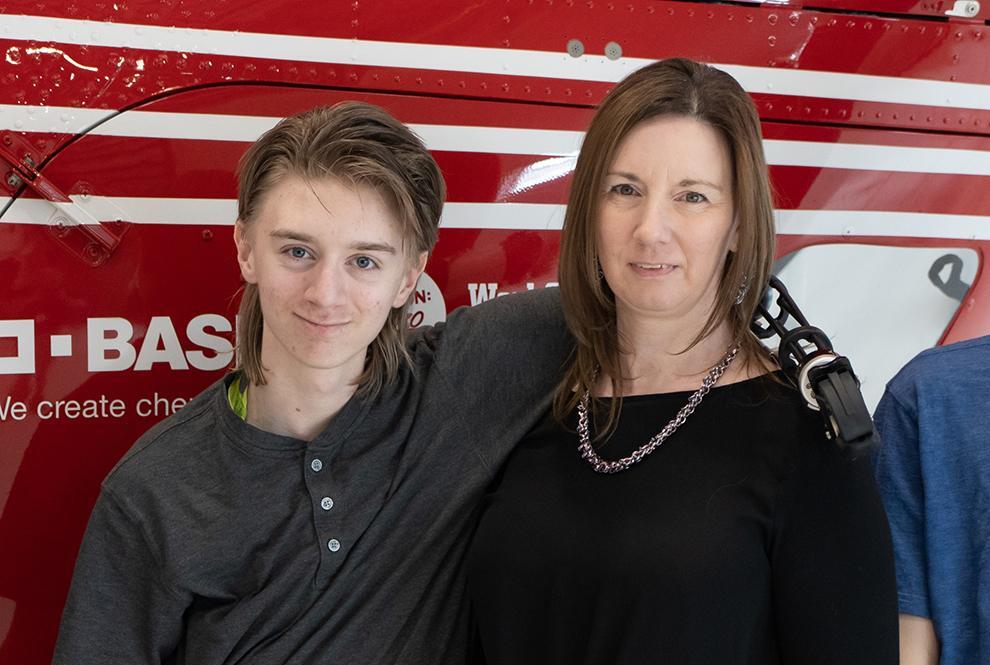
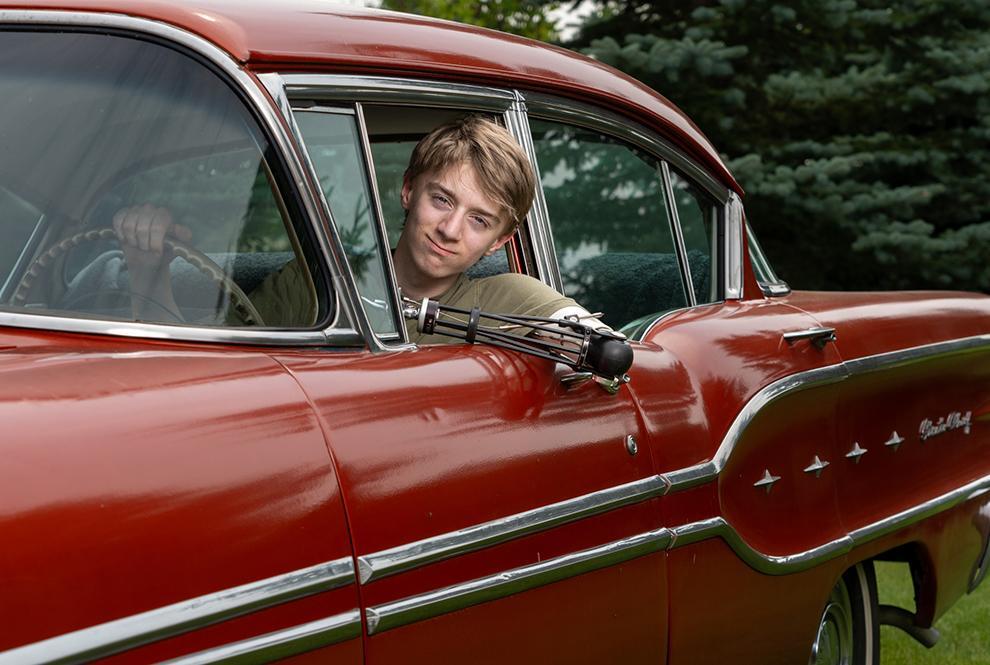
Incidents like Draidyn Wollmann’s are highly uncommon, and the none among the people who came to his aid were accustomed to seeing anything like it. It took a psychological toll on each of them, so we hear how they’re coping. In this final episode of the story, Draidyn and his mom talk about the steps they’ve taken to help in their healing journey. Watch Draidyn and his mom talk about making peace with the incident location in a bonus video below.
Draidyn living and being okay — and not just living, but living in happiness and having a bright future, really aids in the mental health journey because you’re not looking back. You’ll never get those images, or maybe the fear, out of your brain completely, but you’ll learn to live with it. And debriefing after a call is really important, and confiding in your teammates is really important.”
- Kayla Burrell, first responder
Episode 7 Bonus Content
-
Season 2, Episode 7 Transcript
00:00:01:29 – 00:00:33:15
Co-host Deborah Tetley: Before we start, a word of caution. As you know, STARS provides pre-hospital care for critically ill and injured patients who have sustained severe trauma or debilitating illnesses. It’s what we do. As such, some of the details in this podcast may be difficult for some listeners. The STARS mission being explored this season involves graphic descriptions of physical injuries to a youth. Psychological impacts are also detailed. The patient’s family and supporters have generously allowed us to tell this story as a personalized insight into STARS.00:00:33:17 – 00:01:06:18
Co-host Lyle Aspinall: And for that, we are genuinely grateful. The community, and everyone else who was involved, welcomed us with open arms to help us tell this story. Having spent time with about 20 people researching it and recording interviews on the phone, virtually, in studio, and right at the scene of the incident, we can tell you this: our conversations were raw and candid, and as such, some of the details uncomfortable. For this podcast, we’ve endeavoured to tell the story accurately without being too sensational. Still, listener discretion is advised.00:01:06:20 – 00:01:20:11
Warren Peters: Pretty difficult at first just to come to grips with it. Just that it happened in the first place, and was definitely things that are bothered for a while. And I mean, they probably will for maybe years, I don’t know.00:01:20:14 – 00:01:23:15
Darcy McKay: Those calls stay with you. They’re a burden.00:01:23:17 – 00:01:30:08
Kayla Burrell: You’ll never get those images out of your brain completely. But you learn to live with it.00:01:30:10 – 00:01:36:02
Yves Bolduc: But if you keep everything inside, you never talk about it, it’s just going to keep on messing with you.00:01:36:05 – 00:01:43:23
Shae Evans: Your mental health is so important to protect. And if you don’t, it can be super damaging for a very long time.00:01:43:26 – 00:01:58:27
Co-host Deborah Tetley: Welcome to Mission Ready, presented by ARC Resources. This STARS podcast breaks down in detail one mission each season to give you a stronger understanding of how we provide critical care anywhere, and what happens before and after the mission. I’m Deborah Tetley.00:01:58:29 – 00:02:16:13
Co-host Lyle Aspinall: And I’m Lyle Aspinall. In Season 2, we’re analyzing an emergency response to a traumatic incident where a teenager was run over by an industrial-sized riding lawnmower in Laird, Saskatchewan. This is Episode 7: Processing Trauma — Our final installment in this story.00:02:16:15 – 00:02:51:23
Co-host Deborah Tetley: By now, you know Draidyn Wollmann is moving forward with positivity after almost losing his life to a riding lawnmower. You’ve heard from many people who were involved in giving him that second chance. And as you can imagine, every one of these people was psychologically impacted. One of our core values at STARS is safety and it’s always top of mind. Safety also refers to mental health, which was a common topic of discussion as we interviewed for this story. So, in this episode, we’re hearing from numerous people who are still processing their trauma.00:02:51:26 – 00:02:55:04
Warren Peters: …It’s a zero-turn mower there. It’s just operated by the…00:02:55:07 – 00:03:10:04
Co-host Lyle Aspinall: You might remember Warren Peters from previous episodes. He’s the foreman in Laird and was Draidyn’s boss when the incident happened. Warren was very generous with his time for us and very gracious even when we asked him how he was coping as he stood outside the Laird Village office a year later.00:03:10:06 – 00:03:19:21
Warren Peters: Yeah, it’s, pretty difficult at first just to come to grips with it in the first place, I guess.00:03:19:23 – 00:03:28:02
Co-host Lyle Aspinall: Before we ever met him in person, Warren told Deb on the phone that knowing the Wollmann family as well as he did made things that much more difficult.00:03:28:05 – 00:04:44:07
Warren Peters: So, you know, it was kind of a– we had joked about it even before that: It’s like a family business. Because, yeah, his mother worked for the town for, was it two years? Two summers? And then, the other son had worked just the previous summer. So it was like he was going to, you know, he was next in line, kind of thing. So yeah, I mean, I know them well and that’s maybe what, you know, eventually after that, what, you know, hit me more was just because it’s someone I knew, just the fact or the situation happened, you know. It could have been anyone else, I wouldn’t have known who it was– it wouldn’t have nearly hit me that hard, I’m sure. I just, I mean, I can handle, you know– blood and things like that do not affect me that much. So, but just who it was, I knew them, I mean, I know we– he just lives right down the street from me a couple houses. So, yeah, that’s, uh… still dealing with that a little bit for sure. Something that will probably always kind of be there too. Probably just that moment of finding him there, that was kind of like, ugh, hard to believe.00:04:44:09 – 00:04:54:10
Co-host Deborah Tetley: At STARS, we have a peer support program, which is automatically triggered whenever our crews attend a certain threshold of traumatic event. Draidyn’s was one such event.00:04:54:12 – 00:04:58:09
Flight paramedic Glen Pilon: It’s important to talk about those calls to get those feelings out.00:04:58:12 – 00:05:04:16
Co-host Deborah Tetley: That’s Glen Pilon, Draidyn’s flight paramedic from STARS who has been in paramedicine for three decades.00:05:04:19 – 00:05:53:10
Flight paramedic Glen Pilon: I see it as a vault. A lot of those calls that I’ve done where you go to a high school shooting, or you go to a plane crash, or you go to a Humboldt Broncos bus crash, or you go to something like this where Draidyn’s trapped, or somebody’s trapped in a head-on collision — all those calls that you do, they get put into a vault in your mind, and you spin the lock on them, right? And they just, sometimes it can get overwhelming. There’s no more room for those calls in the vault because the vault is full. And so you need to go and you need to talk about them with a professional, because a lot of the stuff that we see are very traumatic and calls that can affect your mental health. So, not only do you have to get lots of sleep and eat right and eat healthy and exercise, but you also have to take care of your mind as well.00:05:53:13 – 00:06:01:18
Co-host Deborah Tetley: Bailey Sinclair, the flight nurse who was on her very first solo shift with STARS when Draidyn’s mission occurred, was amazed by the support provided to her.00:06:01:21 – 00:06:30:08
Flight nurse Bailey Sinclair: Everybody on our air medical crew that day was reached out to by a different member of the peer support team. But also, just, I think our colleagues in those kinds of calls are so important too. I remember every colleague I worked with was like, “Hey, how are you doing? Do you want to talk about it?” Asking questions, like, making sure we were okay. So, it’s just so nice to work in such a supportive environment where everybody’s really looking out for you when you’ve got an experience like that.00:06:30:11 – 00:06:38:21
Co-host Deborah Tetley: Yves Bolduc, one of the pilots who flew to Draidyn’s side, is part of our Saskatoon base’s peer support team and stressed its importance.00:06:38:24 – 00:06:44:12
Yves Bolduc: But if you to keep everything inside, if you never talk about it, it’s just going to keep on messing with you.00:06:44:15 – 00:06:54:12
Co-host Deborah Tetley: How proud are you, Yves, of the peer support program that we have here? And how does it compare, let’s say, to, I don’t know, the military?00:06:54:14 – 00:07:53:28
Yves Bolduc: Military, there was– it was non-existent. You know, as you can imagine, you know, tough it out, you know, and, you know, that’s something you don’t think about. That was your typical thing that I grew up with in the military. You just didn’t talk about your feelings, you know? If not, that was a sign of weakness and whatnot. Since I’ve been at STARS it’s so — you know, with the education and everything else, learning about what is, what creates — In fact, it takes courage for people to actually, you know, come out and talk to somebody else and open up. You know, it takes courage for that. It takes trust, you know, in somebody else as well, knowing that everybody else will have your back. And that’s how we feel here at STARS, and I think it feels like this in each base as well, is that everybody’s got your back. Everybody’s here, you know, for each other. Everybody’s looking out for each other’s interests because we are team. When we go somewhere on a call, it’s not about us. It’s about the patient.00:07:54:01 – 00:08:07:02
Co-host Deborah Tetley: You’ll recall from previous episodes, we spoke with Shae Evans, who was helping coordinate the logistics. Despite handling hundreds of calls in her time with the STARS Emergency Link Centre, Draidyn’s story stands out in her memory.00:08:07:04 – 00:08:10:14
Co-host Lyle Aspinall: Shae, when did you learn that Draidyn made it?00:08:10:17 – 00:08:11:26
Shae Evans: When you emailed me.00:08:11:28 – 00:08:12:12
Co-host Lyle Aspinall: Really?00:08:12:13 – 00:08:13:03
Co-host Deborah Tetley: Oh, wow.00:08:13:03 – 00:08:17:06
Shae Evans: Yeah, I didn’t… yeah, I… yeah.00:08:17:08 – 00:08:35:11
Co-host Deborah Tetley: Due to patient privacy regulations, our crews often don’t know a person’s outcome after transferring care at hospital, unless that patient reaches out to us later, which is how we came to know Draidyn. But Shae remembers being impacted by his mission when it first came across her screen that afternoon in July 2022.00:08:35:13 – 00:08:49:12
Shae Evans: I remember this call and it was such, like, a horrific call. And I was just, like, I can’t even imagine, like, the scene. And you feel for your medical crew, right? Like, we read the words, like, we understand it, but our medical crew is out there seeing it. And so we kind of feel for them.00:08:49:14 – 00:08:58:13
Co-host Deborah Tetley: But you’ve got to be a pretty strong person to sit in that chair. And you talked about that, all the training and whatnot. But you can’t train how to be a strong person.00:08:58:15 – 00:08:58:22
Shae Evans: Yeah.00:08:58:22 – 00:09:00:25
Co-host Deborah Tetley: It takes a special person to do this job.00:09:00:26 – 00:09:35:04
Shae Evans: You learn quickly if you can. And, you know, it’s no hard thing if– or, not like a hard fault if you can’t. Like, if you can’t do it, it’s best that you don’t because you don’t want to push that kind of thing. Like, your mental health is so important to protect. And if you don’t, it can be super damaging for very long time. Like, you don’t want to have, you know, that. So it’s not a problem if it’s not meant for you. You know, we’ve had people who come in and they get their training and then they sit in the chair and they hear the first call, and then they don’t show up the next day. They’re like, “I’m good,” and that’s okay. It’s for the best, you know, don’t push it.00:09:35:07 – 00:09:47:04
Co-host Lyle Aspinall: So what about all of the other emergency service responders who were there, the ones who might not have an employer-backed peer support program? After all, according to volunteer first responder Kevin Burrell, it’s the kind of sight that no one would ever expect to see.00:09:47:06 – 00:09:51:15
Kevin Burrell: It was too unreal to be real.00:09:51:18 – 00:10:04:09
Co-host Deborah Tetley: My understanding is that there was a, like, kind of a group debrief afterward. I’m just wondering if you participated in that, and if you’ve taken any steps to kind of take care of your mental health along the way.00:10:04:12 – 00:10:59:01
Kevin Burrell: Yeah, I did. the Waldheim group and the Laird group and the Rosthern paramedics all got together at the Laird Fire Hall immediately after the call. The Laird group, they attend a lot fewer calls than we did in Waldheim. They didn’t have the extrication tools. They didn’t do a lot of vehicle accidents. That kind of stuff. So we had seen a lot more of the traumatic calls than they had. Working through that, we’ve had people in to counsel our group in the past, and we made a regular habit of debriefing after any serious call. So, I had more experience at that. So, Chris asked me to lead the debrief. So, we just kind of went around the room and I had everybody just kind of go through what happened from their perspective. Once we got through the room, we had just a small discussion on mental health and how to look for the signs afterwards, how it could be affecting you and maybe you don’t realize it.00:10:59:03 – 00:11:06:19
Co-host Lyle Aspinall: The Chris he’s referring to is Laird fire chief Chris Dennis, who took the focus on mental health one step further, organizing a group session later on.00:11:06:21 – 00:11:11:28
Chris Dennis: I was one of the ones that initiated the CISM into our town.00:11:12:00 – 00:11:20:09
Co-host Lyle Aspinall: CISM stands for Critical Incident Stress Management and is a widely recognized intervention protocol focusing on psychological injuries caused by traumatic events.00:11:20:12 – 00:11:48:05
Chris Dennis: They came in and did a debriefing. I told all my firefighters that it was pretty much mandatory. You had to be there. If you didn’t want to be there, I totally understood it, but you needed to be there. And pretty much every one of them was there. All the Waldheim crew that was on scene that day were there. And Christine actually made a– showed up and said thank you to everybody that that was there and helped out.00:11:48:07 – 00:11:53:25
Co-host Lyle Aspinall: Christine is Draidyn’s mom and is also a volunteer firefighter and first responder in her community.00:11:53:28 – 00:12:05:11
Kevin Burrell: When Draidyn was released from the hospital, Chrissy and Draidyn and her other son came to our fire hall in Waldheim and told us about how everything went and we got to talk with them. That was awesome.00:12:05:13 – 00:12:15:16
Co-host Deborah Tetley: Kevin’s wife, Kayla Burrell, was another first responder by Draidyn’s side. She’d held the bag of blood that was transfusing into him while he was still trapped under the mower.00:12:15:19 – 00:12:57:05
Kayla Burrell: Draidyn living and being okay — and not just living, but living in happiness and having a bright future, really aids in the mental health journey because, you know, you’re not looking back. You’re not questioning what you could have done better or what you did wrong. And so we can be a little easier on ourselves as we walk through what is similar to, like, a grief process. You’ll never get those images, or maybe the fear, out of your brain completely, but you’ll learn to live with it. And debriefing after a call is really important, and confiding in your teammates is really important.00:12:57:08 – 00:13:01:22
Co-host Deborah Tetley: She wasn’t able to attend that day Draidyn visited her fire hall, and she regrets it.00:13:01:24 – 00:13:24:21
Kayla Burrell: We had prior engagements, and I was torn between what I should do, and I was like, “You know what? I’m doing okay.” And I shouldn’t have. Because it’s really important to be there in that safe place and realize that everybody else is going through the same thing and talking about it, because if you stuff it down, that’s where the injury comes in. I’ve taken the BOS training…00:13:24:23 – 00:13:42:10
Co-host Lyle Aspinall: BOS stands for Before Operational Stress. It’s a program developed by Dr. Megan McElheran, who is a clinical psychologist. The program is designed for emergency responders to help them build proactive psychological tools. Doctor McElheran had a plea for that amazing demographic.00:13:42:13 – 00:13:56:17
Dr. Megan McElheran: Please don’t treat yourself like a machine because you’re not. You know, you’re made of flesh and blood and bone and have a soul and are impacted by things. And that’s all the beautiful tapestry that makes us who we are. And so let’s honour that. Let’s respect that.00:13:56:20 – 00:14:17:25
Co-host Lyle Aspinall: We spoke at length with Dr. McElheran and the former paramedic she hired to lead the BOS program about the unique aspects of mental health for emergency responders. It was a great conversation with a lot of important information. So, next week we’re going to release a bonus episode with that interview. For now, though, let’s get back to Kayla and her appreciation for having some coping mechanisms in place.00:14:17:27 – 00:14:47:00
Kayla Burrell: And I loved the BOS program because it, like– it was practical: This is what’s happening in your brain, this is how it’s working. And once I knew that, it’s easier to go through the grief and feel the feelings and just understand the past, I guess. It just makes it easier. You’re not just overwhelmed and you don’t know why. You know, there’s answers. This is why, this is what your brain is doing.00:14:47:00 – 00:14:51:01
Co-host Lyle Aspinall: And now, a quick word from our Season 2 sponsor.00:14:51:03 – 00:15:21:06
ARC Resources ad spot: As Canada’s third largest natural gas producer and the largest producer of condensate, ARC Resources is proud to play an important role in the responsible development of Canada’s energy resources in delivering those resources. Safety is the number one priority, always, and it’s that core value that makes ARC’s partnership with STARS a natural fit. It’s our shared goal to ensure that everyone arrives home safely at the end of the day. Learn more about how ARC is leading the way for safe and responsible energy development at arcresources.com.00:15:21:06 – 00:15:28:14
Co-host Lyle Aspinall: Welcome back.00:15:28:16 – 00:15:43:24
Co-host Deborah Tetley: So now you have a sense of how Draidyn’s emergency responders were affected by this situation. But what about the Wollmann family directly? First, let’s talk to Sharon Kingston, the occupational therapist who has been guiding Draidyn through the early stages of his physical and mental rehabilitation.00:15:43:27 – 00:16:05:02
Sharon Kingston: Everything about occupational therapy is breaking down the task to make it something that’s achievable for the client. Because yeah, it can be very defeating if you just see yourself coming in and doing something that you’re not having success with. So, you have to build on the small little pieces first, and then progress forward to those larger pieces that bring the whole picture back together again.00:16:05:10 – 00:16:17:11
Co-host Deborah Tetley: I think it’s interesting that you talked about the whole person, including mental health. Without, you know, revealing your personal conversations with Draidyn, how do you see his mental health and wellness recovery going?00:16:17:14 – 00:17:05:29
Sharon Kingston: I would say really, really well. And I think a big part of it is — and you see— I see it with other clients as well — if they have good social supports: their family, their friends, those kinds of things — their recovery, it’s not that it’s easy, but it’s facilitated so much more by having those connections. If you’re very much alone or you don’t have good social supports in the community, it’s way more of a struggle. You don’t have anybody to talk to and unload to in terms of, “Okay, I’m having a rough day today.” Not having those people to talk to and converse with and try to sort through some of those things, because obviously his life has changed immensely. It’s just, how do I work through that? But he’s had great social supports — both his friend group, his family is amazing.00:17:06:01 – 00:17:17:03
Co-host Lyle Aspinall: Yeah, we couldn’t agree more. The more we dug into this story, the more we learned about the strong support network behind Draidyn. His mom, Christine, says it’s all part of an outlook that starts at home.00:17:17:06 – 00:17:31:24
Christine Wollmann: I would just take every single day and just go with that day, and that’s all that I taught Draidyn too. And that, you know, we’re going to enjoy today and make every day positive.00:17:31:26 – 00:17:45:10
Co-host Deborah Tetley: You know, that kind of gets me thinking about your family’s mental health. Is that how, you know, you leaned into self-care, was just taking it one day at a time? Or how did you make sure that everyone stayed emotionally healthy?00:17:45:16 – 00:18:18:00
Christine Wollmann: Myself, with my boys, they are really open and pretty much tell me everything. We always have conversations when things go wrong or things are troubling, disappointments. I always try to tell them that, “Okay, we need to look at it in a positive way.” I’ve always taught them that the only person who can make you happy is you, and if it probably wasn’t for our faith, we probably wouldn’t be in the state that we are right now.00:18:18:03 – 00:18:45:02
Co-host Lyle Aspinall: So what about Draidyn? After all, he’s the only one in this story whose injuries go beyond the psychological. He lost an arm and severely injured his chest and foot. In fact, he was still working through those injuries when we saw him in Laird a year after the incident. He’ll never be quite like he was for the first 16 years of his life. When he and his mom agreed to meet us in person behind the Laird Arena, we didn’t realize it would be the first time he’d stood back there since everything happened.00:18:45:04 – 00:18:56:24
Co-host Deborah Tetley: Just to go back, your mom said that you guys hadn’t been back here since you first got out of hospital. So you live, like, I can almost see your house from where we’re standing. And you haven’t, you haven’t walked back here?00:18:56:27 – 00:18:57:18
Draidyn Wollmann: Nope, never.00:18:57:22 – 00:18:59:11
Co-host Deborah Tetley: How come?00:18:59:13 – 00:19:06:13
Draidyn Wollmann: Let’s just say, too many memories, and that, of what happened.00:19:06:16 – 00:19:12:25
Co-host Deborah Tetley: Well, I had no idea you guys hadn’t been back here, so thanks for walking back here. That’s super brave.00:19:12:27 – 00:19:22:09
Draidyn Wollmann: It’s not that hard. You just… I’m just trying to keep a positive attitude around here. And… yeah.00:19:22:11 – 00:19:25:15
Co-host Lyle Aspinall: And according to a lot of the people we talked to, it seems to be working.00:19:25:17 – 00:19:26:24
Flight paramedic Glen Pilon: Draidyn was pretty thankful.00:19:26:25 – 00:19:27:19
Karleigh Dennis: Very positive.00:19:27:19 – 00:19:29:14
Flight nurse Bailey Sinclair: So positive and happy and…00:19:29:16 – 00:19:30:24
Daniel Kobylak: An amazing outlook on life.00:19:30:25 – 00:19:32:14
Chris Dennis: This kid’s going to go places in life.00:19:32:14 – 00:19:35:07
Kevin Burrell: I don’t know if I could be that positive if I was in the same position.00:19:35:08 – 00:19:37:16
Sharon Kingston: He’s been a joy to work with, quite honestly.00:19:37:17 – 00:19:41:14
Yves Bolduc: But that kid at this age to show that resiliency…00:19:41:14 – 00:19:45:26
Chris Dennis: I don’t think there’ll be much that’ll slow him down now.00:19:45:29 – 00:20:08:23
Co-host Deborah Tetley: When I first met Draidyn in person, it was at the place where his life changed forever. I was amazed by not only his willingness to share his story and his life-altering experience in this very personal way, but also by his positive outlook on life and his future. Draidyn’s not looking back, and I think we can all learn a lot from that perspective.00:20:08:26 – 00:20:25:19
Co-host Deborah Tetley: And where does that come from? Where do you get this, this strength? I think that this is a significant, life-changing event, and you’re a teenager and, I feel, like, a whole bunch of stuff going on, and then suddenly you’re faced with this, but you’re pushing through. How do you do that?00:20:25:21 – 00:20:40:20
Draidyn Wollmann: Think positive. And just keep looking forward, not the past, basically is what I do mostly. And I guess it’s just from hanging out with my friends too, of course00:20:40:23 – 00:20:48:20
Co-host Lyle Aspinall: Now, this was part of a video interview, and if you listen closely, you’ll hear his mom, off-camera, assertively clear her throat.00:20:48:22 – 00:20:48:26
Christine Wollmann: (ahem)00:20:48:26 – 00:20:52:02
Draidyn Wollmann: Yeah.00:20:52:05 – 00:20:54:28
Co-host Deborah Tetley: I think you’re supposed to say “friends and family.”00:20:55:00 – 00:20:57:14
Draidyn Wollmann: (laughing) Sorry, sorry.00:20:57:17 – 00:20:59:21
Co-host Deborah Tetley: Do want to try that again?00:20:59:23 – 00:21:18:16
Draidyn Wollmann: Yes, yes. Sorry, I forgot… ehh… And I guess what’s been keeping me positive is my friends and my family, they keep giving positivity to me, and that.00:21:18:19 – 00:21:27:09
Co-host Deborah Tetley: That isn’t to say his new journey is easy. It’s far from it. The first time we interviewed him, he told us point blank that he was tired of talking about the incident.00:21:27:11 – 00:21:44:01
Draidyn Wollmann: To be honest, it’s sort of annoying-ish. Like, I don’t even really think about it and it makes me happy not thinking about it. But whenever it brings it up, it just, I don’t know, feels.. weird, I guess, is the word.00:21:44:04 – 00:21:56:00
Co-host Deborah Tetley: Yeah, his annoyance is understandable. His life has come to be defined by this moment, but when you meet Draidyn, you quickly realize he’s not interested in looking backward — he’s very excited about what lies ahead.00:21:56:03 – 00:22:12:13
Draidyn Wollmann: After high school, I want to be a truck driver, truck across the whole entire country, and States too, if I take loads down there, and then go to college for starting up a business.00:22:12:15 – 00:22:42:12
Co-host Lyle Aspinall: Yeah, Draidyn has big plans for his future. In fact, while we were editing this episode, his mom sent me a video of a new high-tech prosthetic that he was excited to be getting soon. Point is, he’s looking forward, not backward. Now, a few moments ago, you heard Draidyn tell us that our visit with him was the first time he had walked in the location of his incident since it occurred. But interestingly, although it was the first time he had walked back there, it wasn’t the first time he had been back there.00:22:42:14 – 00:22:55:00
Co-host Deborah Tetley: So tell us about the day that Draidyn was finally discharged from hospital. What was that like? What was it like thinking about Draidyn’s future, what his life would look like slightly altered now?00:22:55:02 – 00:24:36:19
Christine Wollmann: We just took one day at a time. Like, I got to bring him home in between. We got to take a weekend pass, so I let him drive around town and in the car. I want to say we’re going, like, maybe 20, 15, you know, not going very fast, just cruising — and he asked if he could go to the back of the arena. And I said, “Of course you can.” So, we went there and he sat and we parked in the back of the arena there. And it was amazing. He asked where everything was. I told him exactly where his shoe was, I told him where the lawnmower was, how it was placed, where the fire truck was, where the ambulance was, where STARS landed, and then, it was such a calm — I want to say it was a Saturday evening, like it wasn’t dark — we rolled down the windows and there was, like— all you could hear was just the wind through the trees. There was no dogs barking. It was just so nice and calm. And I told him, I said that, “Let’s close our eyes and let’s make this place into a positive place.” So, we did that, and then it was kind of cool when we were listening through the wind, through the trees, and I said, “Doesn’t that sound like the ocean touching the shore?” And he goes, “Yeah, it sounds really cool!”00:24:36:21 – 00:25:01:02
Draidyn Wollmann: Yeah, I sort of thought about it, like, listening to the waves crash on the beach, I guess. Pretending I was on the beach in Vancouver, looking over the sunset. And I sort of made peace with that area where my accident happened.00:25:01:05 – 00:25:22:03
Co-host Lyle Aspinall: (sound of wind and ocean waves)00:25:29:12 – 00:25:46:21
Co-host Lyle Aspinall: And that’s a wrap on Season 2 of Mission Ready, presented by ARC Resources. Thank you to everyone who listened, and thank you especially to everyone who helped us tell this story. From the STARS crew to the various emergency responders involved along the way, to the community of Laird, and especially to the Wollmann family for being so accommodating.00:25:46:24 – 00:26:00:24
Co-host Deborah Tetley: You know, I just have to say, I’m amazed at how generous this teenager has been. You and I both have teenagers, and I just, you know, the tiniest thing sets them off sometimes, like many teens. And…00:26:00:29 – 00:26:02:03
Co-host Lyle Aspinall: It can be tough to be a teenager.00:26:02:03 – 00:26:44:11
Co-host Deborah Tetley: It is tough to be a teenager. And then you take this life-altering incident and, you know, he’s got these hopes and dreams, he’s got this summer job because he wants to save for a car. And all of that just, you know, almost– you’d think it would vanish because of this incident that he’s been through. But that’s not the case. He stays positive, he stays focused, he looks forward. And I just I remember you told me about this kid after the VIP visit, and I thought, “Wow, he sounds interesting.” But he’s more than that. He’s remarkable. We can’t overemphasize how positive this kid is in that– many times, you and I looked at each other and were like, “Wow, this is incredible.”00:26:44:14 – 00:27:29:29
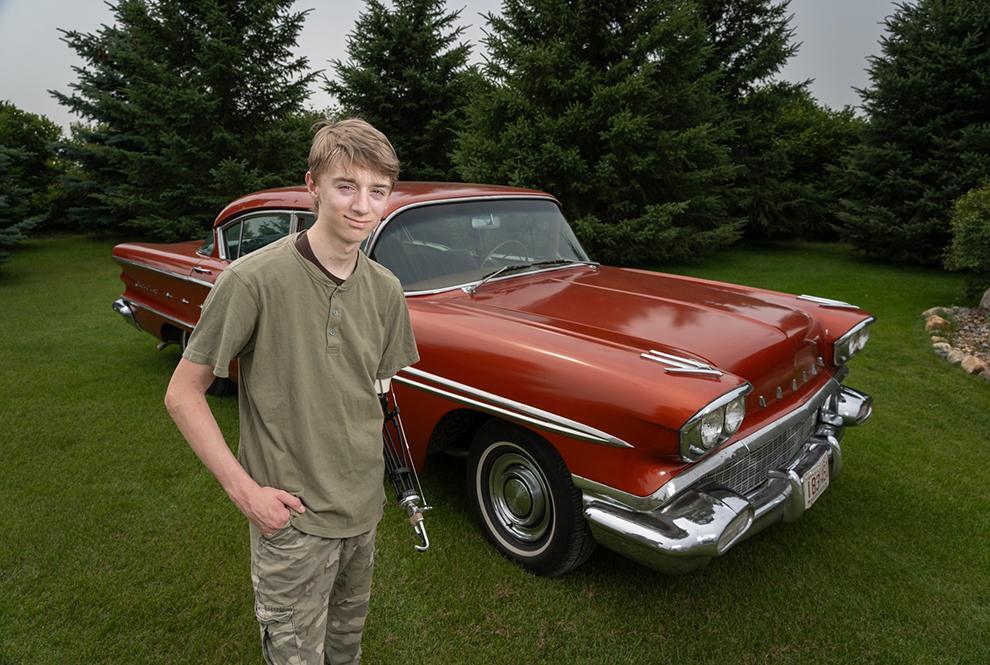
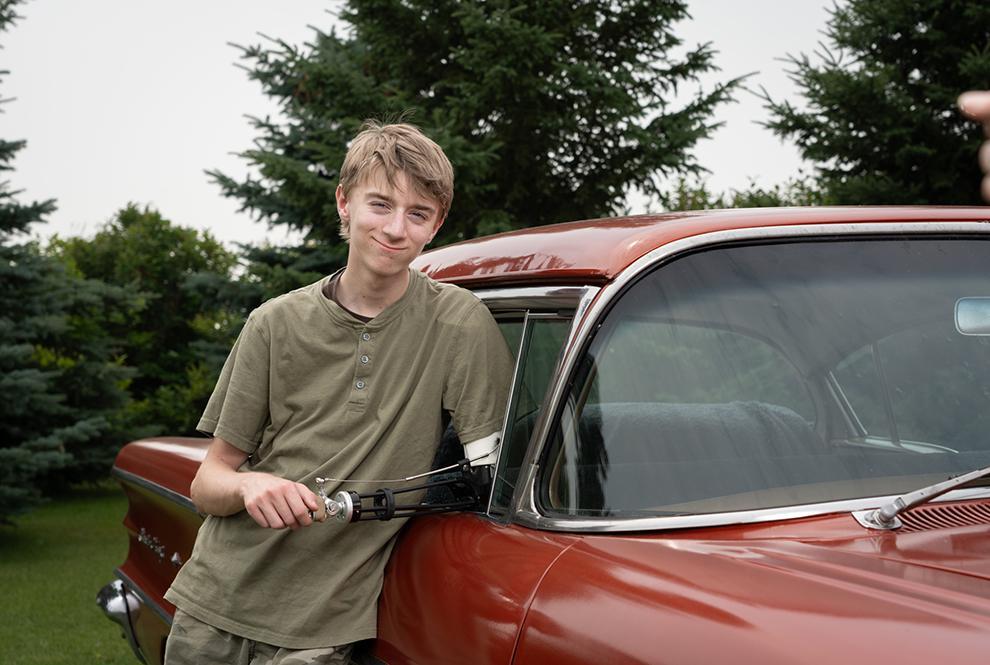
Co-host Lyle Aspinall: And in the times that I’ve met him, I was always amazed that he just never complained about any of it. At least not that I got to see. He would show us his prosthetic arm, how it worked. I saw him illustrate both for you and I and for the crews at the STARS hangar, he happily illustrated how the prosthetic arm worked, and he was more than happy to answer questions and ask questions. And he just didn’t hide anything. He didn’t complain. And when we met him in Laird, he just seemed like any other kid, you know, any other kid out in a rural community working on his car with his grandpa. You know, if we weren’t talking about the story, it would have looked like any other scene. And it was just so remarkable what he has come through and the attitude that he’s taken.00:27:30:01 – 00:27:51:20
Co-host Deborah Tetley: Yeah, it’s true. Yeah, from beginning to end, just meeting this teenager, meeting the family, meeting the people — I mean, there’s been tears sitting right here in this studio just because of the heavy, heavy material. And, what an honour and a privilege to have been part of this story. I’ll never forget Draidyn.00:27:51:22 – 00:28:04:23
Co-host Lyle Aspinall: Yeah, me neither. You know, although this is the last episode where we focus on Draidyn’s story explicitly, there is a bonus episode coming where we have an impactful conversation with a couple of experts whose research is specifically about mental health and emergency responders.00:28:04:25 – 00:28:16:13
Co-host Deborah Tetley: And, listeners, if you liked this season of Mission Ready, go back and check out Season 1 where Lyle and I tell the story of STARS Very Important Patient Marcia Birkigt. This woman survived a cougar attack.00:28:16:16 – 00:28:31:17
Co-host Lyle Aspinall: Yeah, and as always, thanks to Kaiya Gamble, the young musical prodigy who created our theme music. Her career is really taking off right now. Seriously, you want to check it out. Check her out on social media, at kaiyagamble.com, and by the way, both of her parents used to work for STARS.00:28:31:19 – 00:28:43:18
Co-host Deborah Tetley: And remember, STARS is a physician-led, not-for-profit organization that can only exist because of your support. Please get involved at stars.ca. Until next time, thanks for listening.