
STARS History

2022
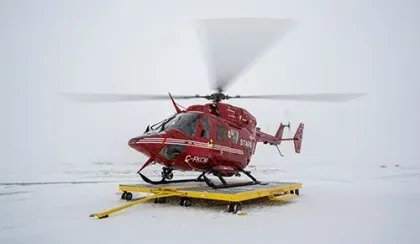
Completing our fleet renewal transition, the final operational flight of a BK117 helicopter touches down in December, capping off a legacy of safe and reliable service.
2019
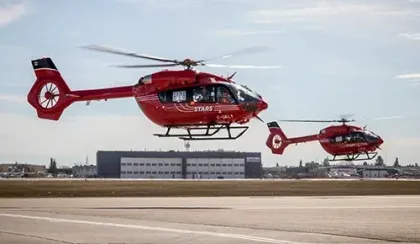
After years of planning and anticipation, the first of STARS' H145 fleet arrives in Calgary in April. On July 18, STARS flew its first mission with the helicopter type.
2015
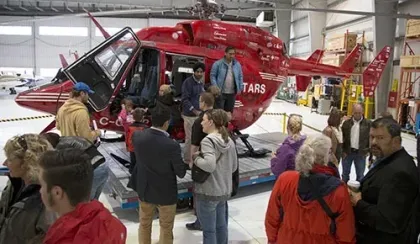
STARS celebrates 30 years of care in the air and more than 29,000 missions carried out since the nonprofit launched in 1985.
2013
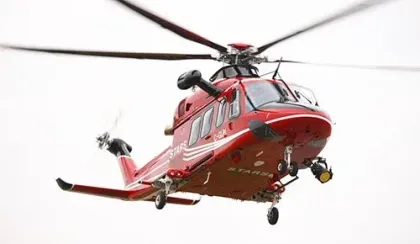
STARS unveils two new donor-funded AgustaWestland AW139 helicopters. The first patient transported by a STARS AW139 is flown in September.
2013
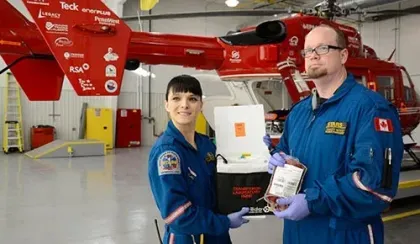
STARS' base in Regina becomes the first air medical service in Canada to begin stocking blood to be used for life-saving transfusions on air medical missions. The STARS Blood on Board initiative has since spread this service to all six bases.
2012
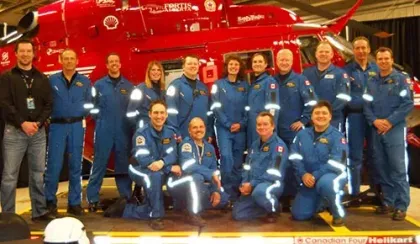
STARS signs a 10-year agreement with the Government of Manitoba to provide helicopter air ambulance from a permanent base in Winnipeg. Bases in Regina and Saskatoon also open.
2011
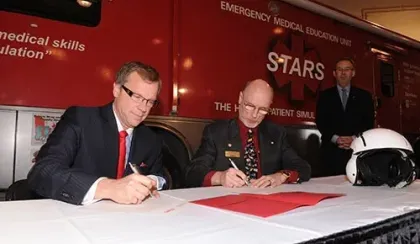
The province of Saskatchewan signs an agreement with STARS to establish helicopter air medical service in that province. Andrea Robertson assumes the role of STARS President & CEO.
2009
STARS sees the first class graduate from the STARS Critical Care and Transport Medicine Academy.

2007
Dr. Gregory Powell, STARS founder and Chief Executive Officer, is made an officer in the Order of Canada.
2006
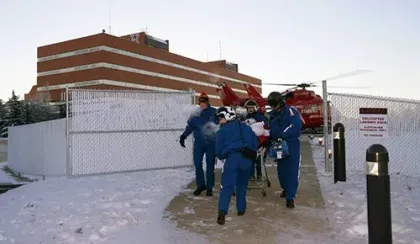
A third base opens in Grande Prairie, Alberta, on November 1. Within one year, crews fly over 116 missions in Peace Country from this base.
2003
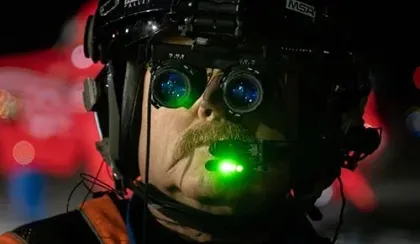
STARS is the first civilian air carrier to use night-vision goggles (NVG) technology in Canada, carrying out a mission from southeastern Alberta to Calgary using NVG technology.
2002
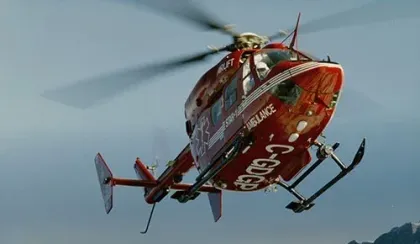
STARS is requested to be the air medical provider for the G8 Summit in Kananaskis, Alberta. Also, STARS surpasses the 10,000-mission milestone.
2001
The International Association of Air Medical Services names STARS the recipient of its prestigious Program of the Year award. STARS is the first international and first Canadian program to receive this honour.
1999
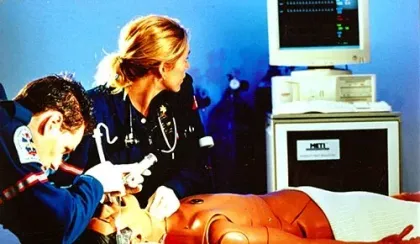
The Human Patient Simulator program is established through the support of Lions International Multiple District 37 and Lockerbie & Hole. The Chain of Survival Fund is established to provide community emergency service providers with financial assistance for medical equipment and training needs.
1998
STARS receives full accreditation as an international critical care provider from the Commission on Accreditation of Medical Transport Systems (CAMTS).
1996
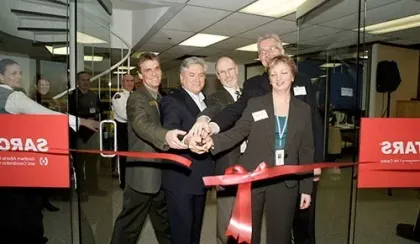
The STARS Emergency Link Centre is established with funding received from the Canadian Association of Petroleum Producers.
1996
STARS establishes the first helicopter air ambulance program in Nova Scotia under a five-year contract. STARS exits the province in 2001.

1992
STARBEAR, the official mascot of STARS, is born.
1991
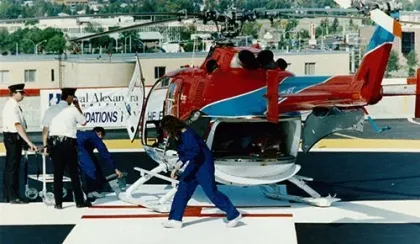
STARS' Edmonton base is established and carries out its first mission in October. STARS is awarded rotary and fixed-wing air medical ambulance contracts for Edmonton and Calgary.
1988
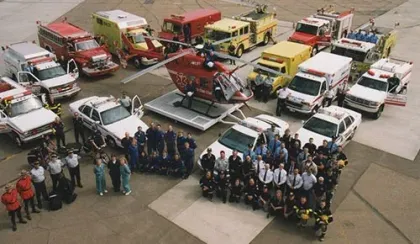
STARS receives formal recognition as an essential service when the organization is integrated into emergency planning for the Calgary Olympic Winter Games.
1985
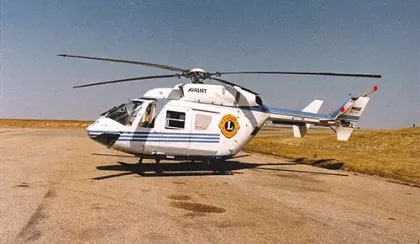
The rotary air ambulance program, initially named Lions Air Ambulance Service, is established, and the first mission is flown in December to transport a critically ill infant to tertiary care in Calgary.