The unique skills women bring to STARS

Women of the Sky, A Series: In a field that is still male dominated, the trailblazing women working at STARS are fuelling change. They’re breaking barriers, filling critical roles, and inspiring young women to pursue meaningful careers. This article is the first in the series.
By Karin Olafson
When Dr. Jennifer Nicol began working at STARS in 2018, female transport physicians were few and far between. Now, 33 of 124 transport physicians across the organization are women.
“EMS tends to be a male-dominated field,” said Nicol. “When I started with STARS, I was one of three women in the [Calgary] group; now we have 11. One third of our group is made up of women.”
Nicol’s weekly schedule is jam-packed. In addition to her role as a STARS transport physician, she works as an emergency physician at Calgary’s Foothills Medical Centre, holds medical leadership roles, and has three young kids who are all in extracurricular activities. She’s careful to put her family first, planning time to hike in summer and ski in winter.
Her STARS role alone is a juggling act, as transport physicians are embedded in every mission either physically, virtually, or by phone. Her duties might involve being on board a flight, using virtual care to support rural physicians with hospital transfers, or taking calls to ensure the right in-hospital specialist can take on a STARS patient.
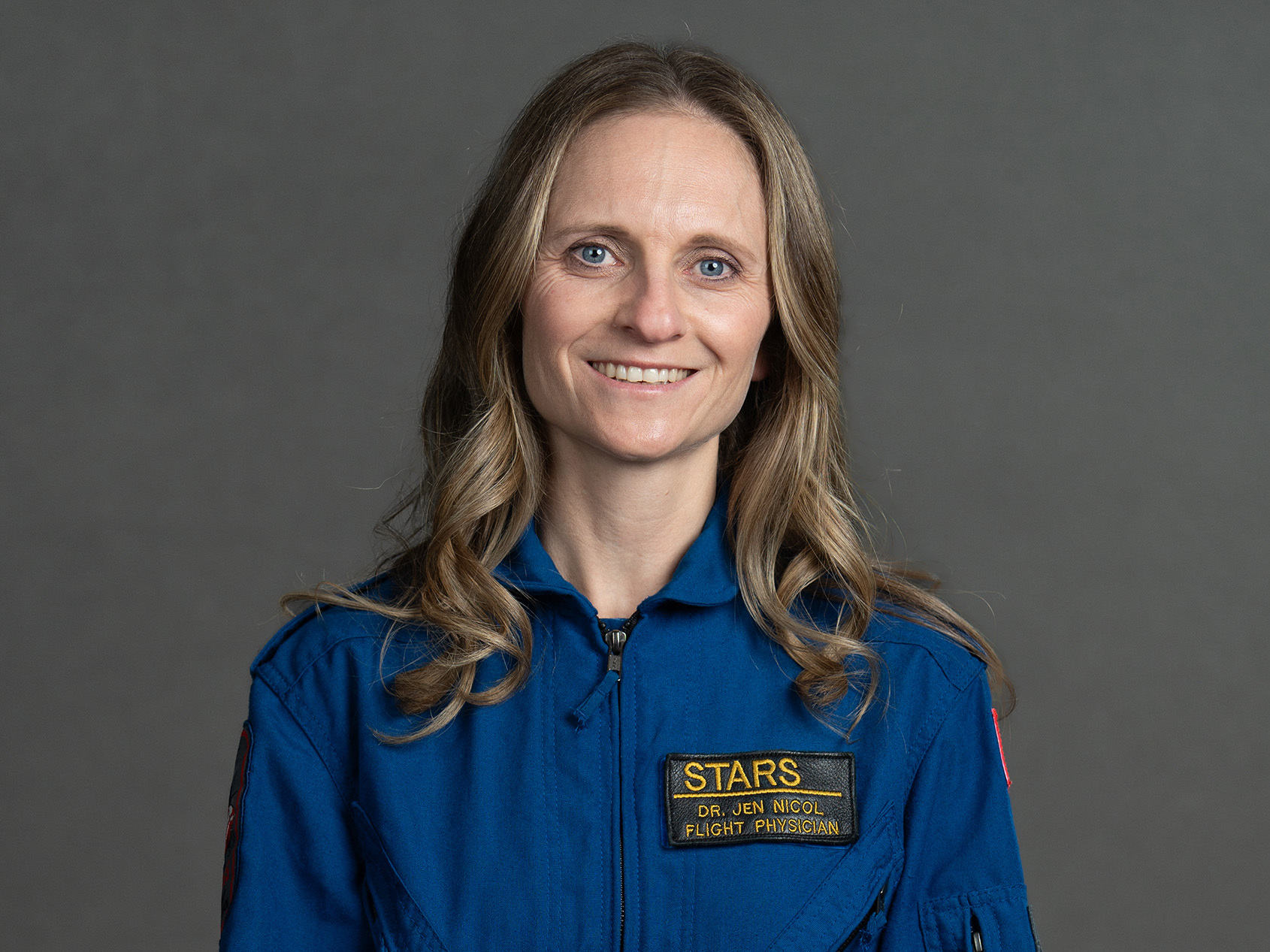
While the early days were intimidating at times, Nicol and her female colleagues quickly recognized the value they could bring to STARS’ patient-centred work.
“Women have a very high level of emotional intelligence,” said Nicol. “We can be vulnerable and show emotional bravery and bring a real growth mindset to our work. Of course, our male
colleagues do as well, but I think these skills are a real superpower that women have.”
She added that the complexity of being a STARS physician means skills like organization, communication, and collaboration are integral. And for women, these skills are constantly honed in all aspects of life. In Nicol’s case, she had to take these skills to the next level after her third maternity leave when she returned to STARS and her ER job with two toddlers and a baby at home, while also grappling with the pandemic.
“My role at STARS is where I’ve felt the bravest and most empowered and bold,” she said. “We’ve been very conscious at STARS trying to recruit the best people to work with us, and
we’ve been successful in recruiting a number of women. That’s helped a lot in terms of how our group is perceived, how open we are, and how inclusive we are.”
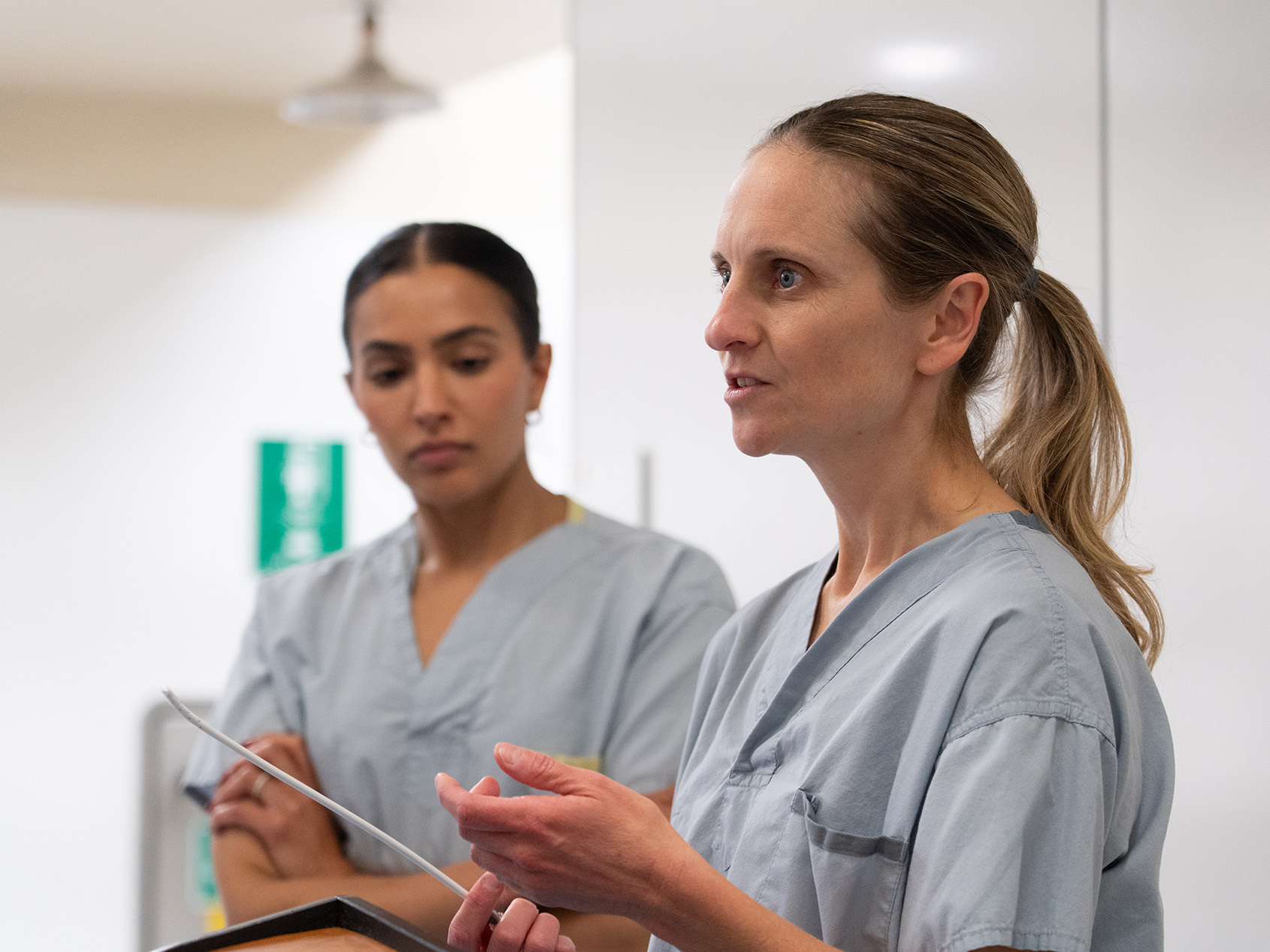
Nicol added that every female physician employed by STARS is at the top of their professional game. STARS has hired women physicians who also work as program directors or site leads, are trained experts in fields such as stroke or cardiology, and contribute to free online medical education.
In terms of gender equity, the industry has come a long way in the last few years.
“There’s a lot more inclusion now, and women can see themselves [working in emergency transport medicine]. Women are represented now, so it’s an invitation for other women to come join the field,” said Nicol. “Yet, it’s still a male-dominated world. We’ve done a lot of work to get where we are, but there is more work to be done.”